
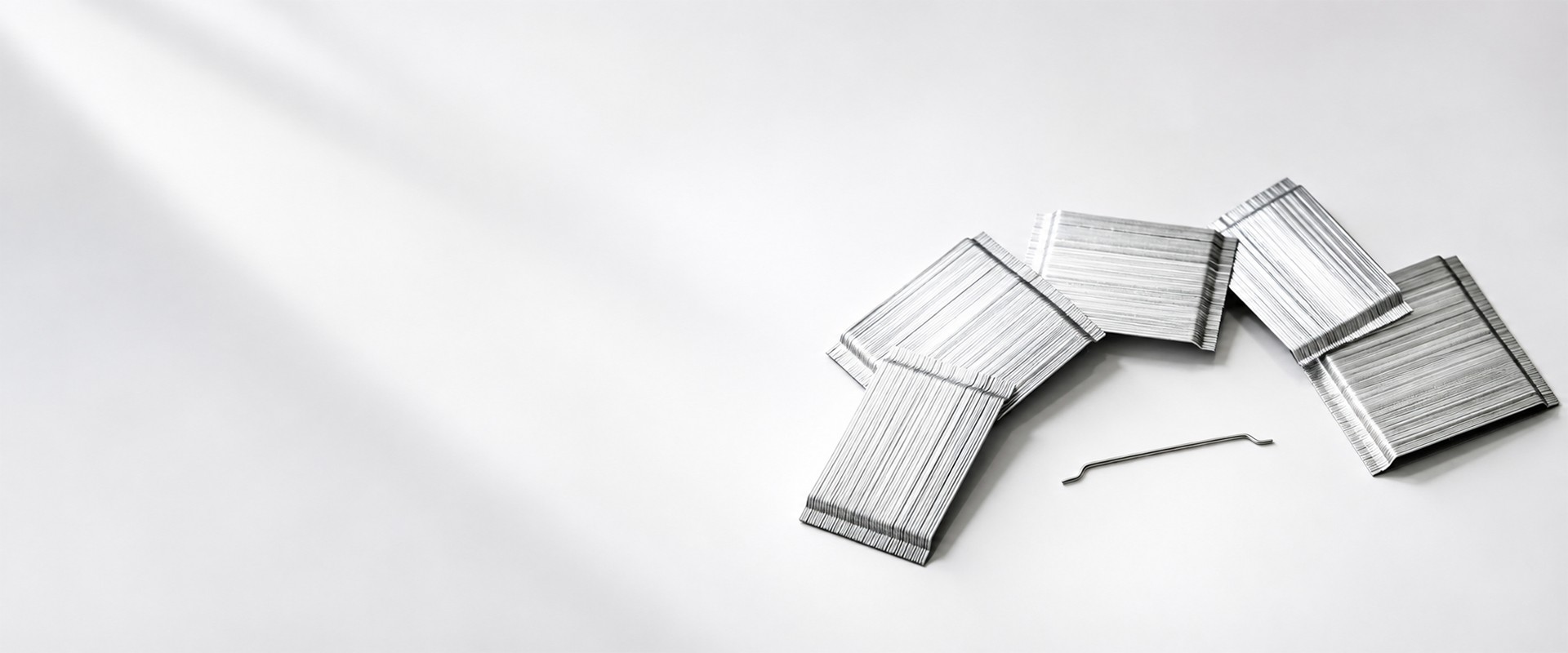
After steel fibers are mixed into concrete, millions of fibers form a three-dimensional randomly distributed reinforcing network within the matrix. When the concrete is subjected to loads or has a tendency to crack, the fibers crossing the cracks bear tensile stress through interfacial bonding, playing a bridging role, thereby inhibiting the initiation and propagation of cracks.
In practical use, end-hooked, milled, and corrugated fibers, by virtue of their anchoring morphology, form stronger mechanical interlocking with the concrete, effectively improving tensile, shear, and impact resistance. Curing and dosage control during construction are equally critical; a reasonable feeding sequence and sufficient mixing can prevent fiber balling and fully leverage the reinforcing effect.
 17367626668